People search for hope in hospitals every single day. In early April 2026, a story at Viet Duc Friendship Hospital (Vietduc University Hospital)in Vietnam moved many people to tears. It is a story about a heavy loss, but it is also a story about the light of compassion.
Here is the direct reality of what happened. O.S.W was a 19-year-old British woman. She came to Vietnam on a youthful vacation. A sudden accident happened. The medical team at Viet Duc Friendship Hospital used all their expertise and responsibility to try and save her. They could not do it, as her injuries were simply too severe to overcome. Doctors diagnosed her with brain death on April 2, 2026. In the middle of their grief, her parents decided to donate her organs. This specific choice saved three Vietnamese patients with end-stage organ failure.
The Promise of a Gap Year Cut Short
When I think about being nineteen, I think about momentum. You are standing right on the edge of actual adulthood. The parents of O.S.W shared the details of her timeline.
She had just graduated from high school.
She was preparing to enter university in the fall.
They considered this trip to Vietnam a reward for her vibrant youth.
This is a familiar rite of passage. Young people leave their home countries to see the world before they settle into university lecture halls and career tracks. It is supposed to be a journey filled with beautiful experiences. You go out to collect stories, and you expect to come back.
Instead, a sudden accident brought her life to a premature end. The source text does not give the details of the accident. To be honest, the specifics do not change the weight of the situation. A family received the worst phone call imaginable. A young woman with her whole life mapped out was suddenly gone.
The Hard Reality at Viet Duc Friendship Hospital
The aftermath played out in the rooms of Viet Duc Friendship Hospital in Hanoi. The medical staff fought for her with their best efforts. Eventually, they had to accept that her injuries were too severe.
Brain death is a heavy medical diagnosis. The body is kept functioning by machines, but the person is gone. The parents had to process this in a foreign country. In the middle of profound grief, they looked outward. They chose to donate their daughter's organs to save Vietnamese patients who were teetering on the brink of death.
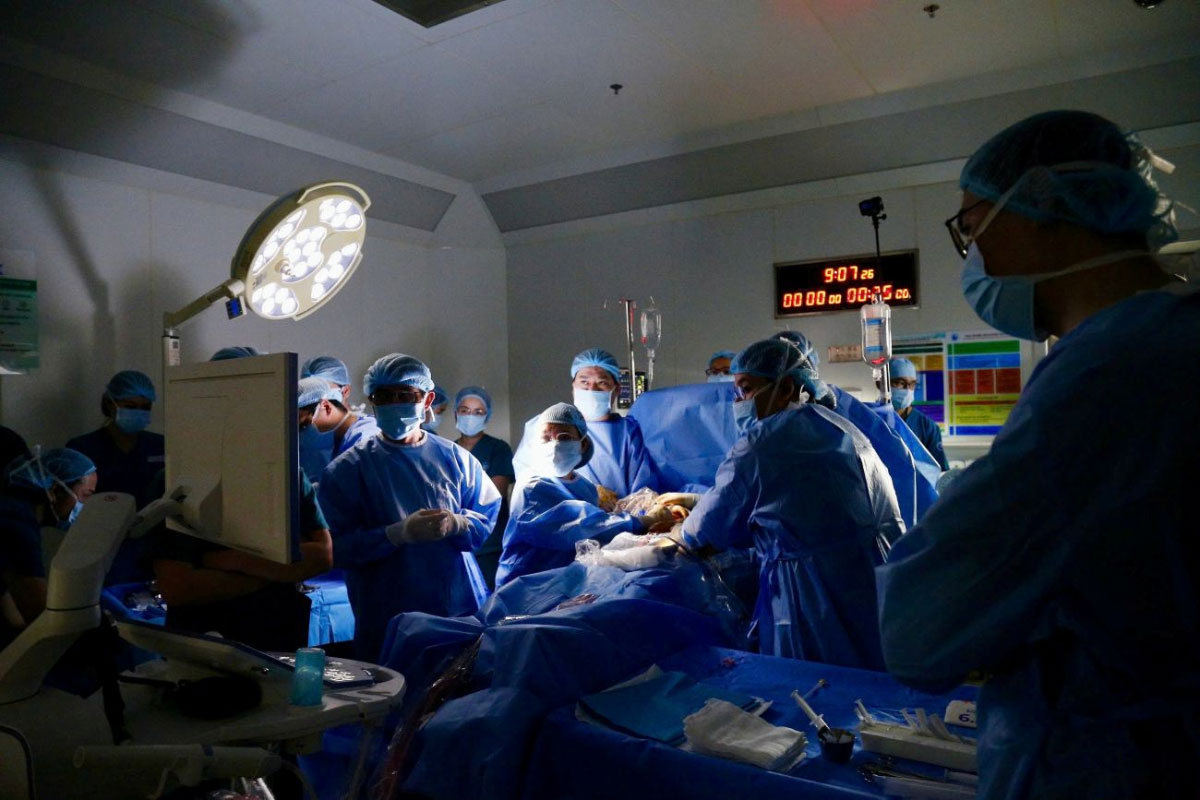
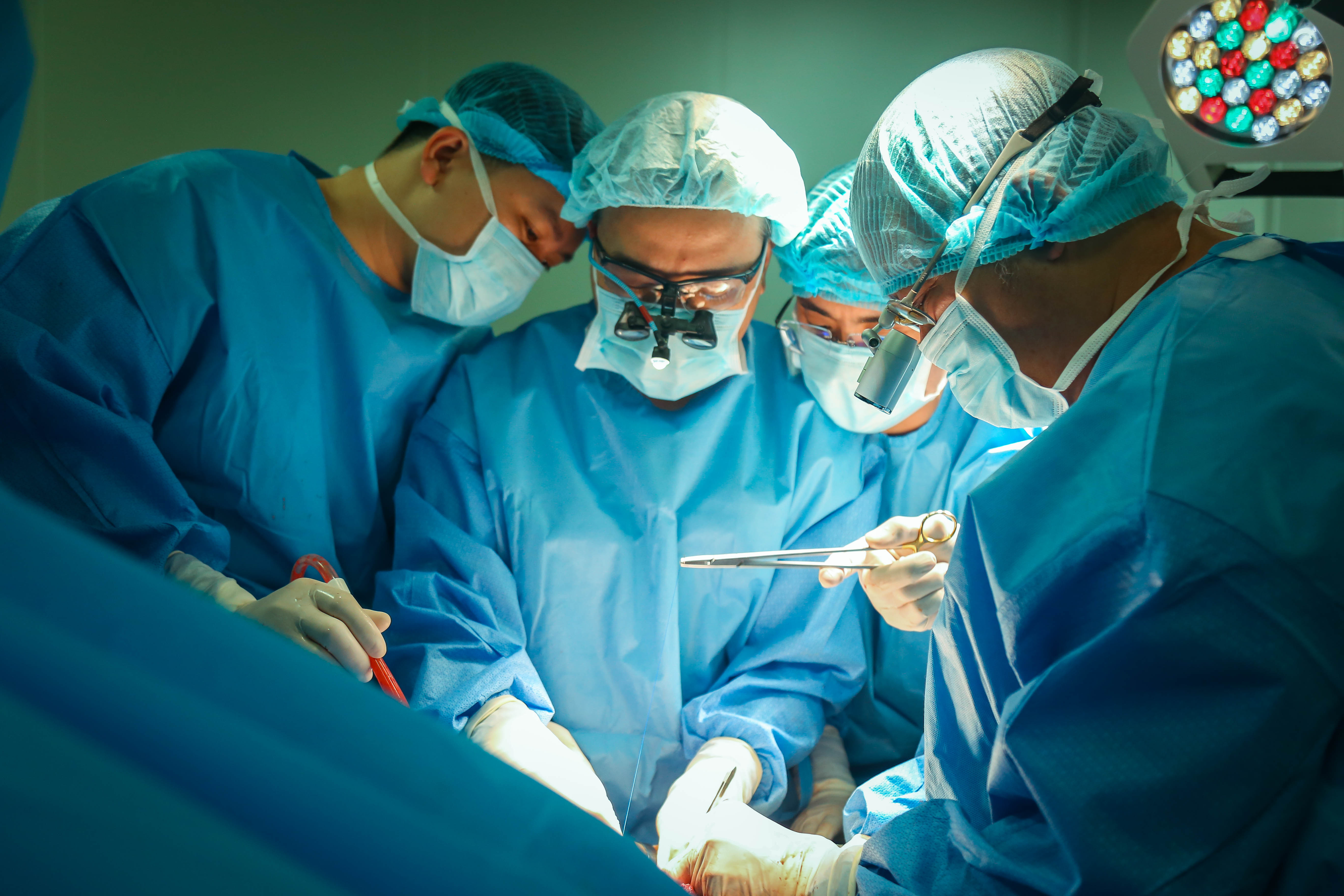
The doctors and nurses at the hospital performed the transplant operations. The text mentions that they did more than just their clinical duties. They watched a miracle happen. They literally saw pain transform into hope, and a terrible loss become the beginning of another life.
Three Strangers, Three Second Chances
Let us look at the people who received the organs. These were people who were out of options.
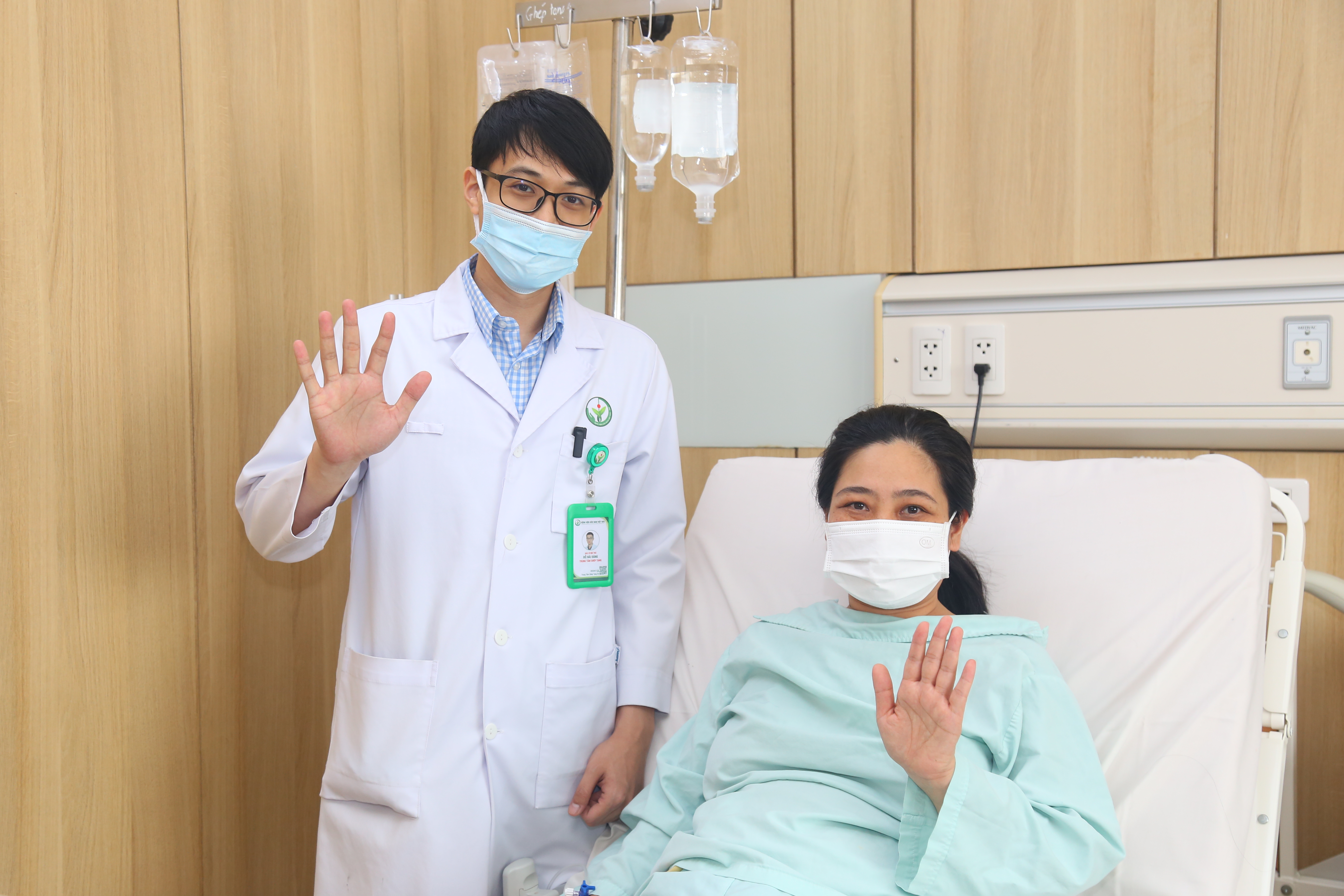
The organ transplant recipient recovered.
A 53-year-old man received her liver.
He suffered from acute liver failure due to hepatitis B and severe cirrhosis.
A 35-year-old man received one of her kidneys.
A 41-year-old woman received her other kidney.
Both of the kidney patients had been dependent on dialysis machines for years.
Liver failure is a terrifying way to decline. Your body cannot filter toxins anymore. You cannot hook up to a machine long-term to replace a liver. You either get a transplant, or your time is up. O.S.W's liver gave this 53-year-old man a chance at life.
The kidney patients faced a different kind of exhaustion. They were languishing in the hope of a miracle. Dialysis keeps you alive by cleaning your blood, but it ties you to a medical chair for hours every week. It drains your energy and pauses your life. These are people in their thirties and forties. They should be working, traveling, or raising families. Instead, they were tethered to machines. The two kidneys revived their lives. All the transplant recipients recovered.
The donor and the recipients did not speak the same language. They did not share a nationality or a skin color. But in that hospital, all boundaries vanished. The family's selfless act connected these strangers into one large family.
A Mother's Smile and a Father's Pride
The quotes from the parents are difficult to read without feeling a lump in your throat. They described their daughter exactly how you would hope to be remembered.
They called her a strong, beautiful, and intelligent girl.
They said she always lived each moment to the fullest.
They noted she had an incredibly wonderful time in Vietnam.
They mentioned she loved the place and was so happy.
Because of her love for the country, they believed she would want to give her life to someone else if she could.
Her father choked up when he talked about it. He said, "There is no greater gift than giving life". He also stated they are incredibly proud of her. I cannot fathom the strength it takes to feel pride through that level of shock.
Her mother cried, but she still managed a gentle smile. She spoke directly to her daughter's memory. "You will still live a beautiful life," she said. She told her daughter that she would have new families here and would always be in their hearts. She views the organ recipients as an extension of her daughter's presence in the world.
Finding Comfort in the City's Flow
There is a striking geographic parallel in how the parents process their grief. They talked about Hanoi. They noticed the bustling, vibrant pace of life in the city. They realized it is very similar to London, the place where O.S.W grew up.
London and Hanoi are thousands of miles apart. They have different climates and different architectures. But they both have a heavy, fast heartbeat. They both have millions of people moving, working, and living intensely. The parents find comfort in knowing their daughter will become a part of that flow in Hanoi. She will do it in her own unique way.
It is a very human way to handle loss. They are not rejecting the city where the accident happened. They are weaving it into her story. She arrived in the country as a traveler. By the time she left, she had become a silent hero.
The Reality of Organ Donation in 2026
I genuinely don't know how to feel about stories like this. They are inspiring, but they are built on a foundation of absolute tragedy. Half of me wants to celebrate the medical science that makes it possible for a liver to move from one person to another. The other half just feels terrible for a family flying back to London without their child. The truth is messy.
We often read about organ donation as a sterilized, simple medical procedure. The reality is chaotic. An accident happens. A family panics. Doctors deliver terrible news. Then, someone has to sign a form in the worst moment of their life so that total strangers can live. It requires a level of grace that feels almost impossible to summon.
Because of that grace, the 35-year-old man and the 41-year-old woman no longer need their dialysis machines. The 53-year-old man survived his severe cirrhosis. They will carry a piece of a 19-year-old British tourist with them for the rest of their lives.
The Human Element of Medical Miracles
The word "miracle" gets thrown around a lot in hospitals. But if you look at the mechanics of what happened on April 2, 2026, it is hard to find a better term. A hospital is a high-stress environment. Nurses are running between rooms. Monitors are beeping constantly. In the middle of that noise, the medical staff at Viet Duc had to orchestrate something incredibly delicate. They had to preserve the organs of a young woman while her parents said their goodbyes.
Consider the logistics. They had to verify blood types. They had to locate and prepare the three recipients. Those three patients likely received phone calls in the middle of the night. A doctor told them to come to the hospital immediately because there was a match. They arrived knowing that their survival meant someone else had died. That is a heavy burden to carry.
Yet, the mother's words offer a release from that burden. By telling her daughter, "You will have new families here," she is also giving permission to the recipients to live their lives without guilt. She is telling them that they are part of a larger family now.
Conclusion: A Legacy Left Behind
Sometimes travel changes us. Sometimes we change the places we travel to. O.S.W went to Vietnam looking for experiences. She ended up giving three people the ability to have experiences of their own.
This was not just a medical procedure at Viet Duc Friendship Hospital. It was a transfer of time. The young woman lost her future, but her parents made sure that future was redistributed to people who desperately needed it. She gave them her time. That is exactly what makes her a silent hero.